

Note: This report includes forecasting data that is based on baseline historical data.
Executive summary
The United States (US) economy is poised to remain the world's largest consumer market over the forecast period, due to its sizable population, significant concentration of affluent consumers and a positive economic outlook.
The US was the largest global market for sauces and condiments in 2022 with imports valued at US$2.2 billion, (13.5% market share), representing one of the largest increases in compound annual growth rate (CAGR) (13.1%) from US$1.2 billion in 2017.
The US is a net importer of sauces and condiments. In 2022, the US held a sauce and condiment trade deficit of US$71.6 million as imports were valued at US$2.2 billion and exports were valued at US$2.1 billion.
Canada was the largest global supplier of sauces and condiments to the US market providing US$511.9 million (23.4% market share), 160.9 million kilograms in 2022. Top sauce and condiment imports from Canada in 2022 included prepared sauces (HS code: 210390) valued at US$430.2 million (84.1% market share), 121.8 million kilograms and tomato ketchup and sauces (HS code: 210320) with values of US$55.4 million (10.8% market share), 30.6 million kilograms.
The US was the largest global market for sauces, dips and condiments with retail sales of US$31.5 billion (19.9% market share) in 2022. In comparison, Canada was the eleventh largest retail sales market for sauces, dips and condiments, accounting for US$3.5 billion (2.2% retail sale market share).
The largest sauces, dips and condiment categories in the US, in terms of retail value sales in 2022, were sauces, with values of US$13.9 billion (44.4% market share), followed by cooking ingredients and condiments valued at US$7.7 billion (24.5% market share), and dips, with values of US$5.5 billion (17.4% market share).
The US sauces, dips and condiment market remained a highly fragmented industry. The top five companies (McCormick & Co Inc, Kraft Heinz Co, Campbell Soup Co, PepsiCo Inc and ConAgra Brands Inc) represented a combined market share of 35.4% in 2022.
According to Mintel's Global New Products Database (GNPD), there were 14,606 new sauces, dips and condiment products launched in the US from January 2017 to December 2022.
United States market and consumer overview
Economy, finance and trade
Despite recent inflation and increased interest rates, the US economy recorded a 1.8% growth in real gross domestic product (GDP) in 2022 and is anticipated to expand a further 1.6% from 2023 to 2027, due primarily to manufacturing and the impetus for the domestic supply of essential goods. The country's inflation rate is projected to decline, reaching 2.2% by 2027. The easing of commodity prices and the successful implementation of monetary tightening policies are expected to play a vital role in reducing inflationary pressures (Euromonitor International; May 2023).
Income and expenditure
The US economy is poised to remain the world's largest consumer market over the forecast period, due to its sizable population, significant concentration of affluent consumers and a positive economic outlook. The California region is anticipated to remain the largest consumer market in the US by 2027, accounting for 12.9% of total consumer expenditure (Euromonitor International; June 2023).
In 2022, the average gross annual income was US$99,807, as many consumers experienced income stagnation due to high inflation rates, while disposable income per household (US$155,000+ in 2022) is forecast to increase by 4.5% in real terms over 2022-2027. The largest consumer spending category in the US was expenditure on health goods and medical service in 2022. In 2023, consumer spending (per household) on food is expected to attain US$8,931. In the forecast period, expenditure on education is anticipated to increase at the fastest pace, while health goods and medical services is predicted to remain the largest consumer spending category in 2027 (Euromonitor International; June 2023).
The population segment aged 50-54 years is set to retain the position of highest income earners per capita in 2027, due to asset accumulation and multiple income sources while those aged 65+, will dominate the top-income band (those with an annual gross income over US$250,001). The impact of recent inflationary pressures however, is predicted to primarily effect the lowest income consumer group, as they allocate a larger portion of their income to essential spending. Of note, the average disposable income for the lowest income consumer group decreased by 1.8% in 2022 (Euromonitor International; June 2023).
The proportion of middle-class households is projected to diminish between 2022 and 2027, accounting for 21.2% of the total households by the end of this period. In contrast, the lowest income bracket is forecast to experience faster growth than other social classes over the period to 2027, encompassing a projected share of 40.5% among those individuals aged 15 and above. The increasing proportion of individuals in the lowest income bracket can be attributed, in part, to the proliferation of automation, which restricts employment opportunities for unskilled labour (Euromonitor International; June 2023).
Households
The number of households in the US is anticipated to increase by 2.6% over the forecast period, reaching 134 million by 2027, with single-person households continuing to be the leading type (accounting for 28.6% of all US households). The fastest growing household type is set to be "other" (extended) households, expanding by 3.2% over 2022-2027, while the proportion of urban households is set to increase in the US, rising to 82.0% of total households by 2027. Couples with children will retain the highest spending power among household types, accounting for almost one third of total spending by 2027, constituting 17.5% of all households. (Euromonitor International; June 2023).
Consumers
Despite a decrease in fertility rates, the US continues to witness natural increases, where births exceed deaths. Moreover, ongoing immigration, including both legal pathways and potential policy reforms, is anticipated to further stimulate population growth. In 2022, the US population reached 333.0 million and is projected to reach 357.0 million in 2040, remaining the third largest country globally, after India and China.
By 2040, the median age of the population is anticipated to reach 42.4 years (38.4 years in 2019), and Generation Z (those aged 30-45) is set to become the dominant demographic, making up nearly 25.0% of the population, reshaping the consumer market landscape and exhibiting a pronounced preference for social media shopping (Euromonitor International: The US: Consumer Profile, June 2023).
According to Euromonitor - Voice of the Consumer: Lifestyles Survey, roughly 57.0% of consumers seek out new products and services that are tailored to their tastes. Many consumers are also trying cheaper alternatives, yet many still enjoy niche and branded products (Consumer Values and Behaviour in the USA, May 2023). Of note, as grocery budgets continue to be effected by increasing food prices, 24.0% of respondents report they regularly seek private-label and low-cost products when they shop (Euromonitor International: Consumer Lifestyles in the USA, May 2023).
In terms of weekly meal choices, 72.0% prefer home-cooked food, despite strong foodservice demand. Many consumers report that a lack of time is one of the largest barriers to preparing and cooking food at home, especially amongst younger cohorts (Generation Z), who are less likely to spend time preparing food for themselves. In addition, food and drinks with health benefits is of high importance to all generations, while brands that share similar consumer ethos remain relevant (Consumer Values and Behaviour in the USA, May 2023).
Global trade overview of sauces, and condiments
The global market for sauces and condiments has experienced positive growth with a moderate compound annual growth rate (CAGR) of 6.8% as imports have increased from US$11.6 billion in 2017 to US$16.2 billion in 2022. The United States (US) was the largest global market for sauces and condiments in 2022 with imports valued at US$2.2 billion, (13.5% market share), representing one of the largest increases in CAGR (13.1%) from US$1.2 billion in 2017, followed by the United Kingdom (U.K) with imports valued at US$1.2 billion (7.2% market share) and increasing in CAGR of 7.1% from US$822.2 million in 2017 and France, with import values of US$939.8 million (5.8% market share) in 2022.
Canada in comparison, was the fourth largest global market for sauces and condiments with import values of US$921.4 million (5.7% market share) in 2022, representing an increase in CAGR of 3.7% from imports valued at US$767.0 million in 2017.
| Country | 2017 | 2018 | 2019 | 2020 | 2021 | 2022 | CAGR* % 2017-2022 | Market share % in 2022 |
|---|---|---|---|---|---|---|---|---|
|
Global Total |
11,626.4 |
12,560.5 |
12,879.5 |
13,548.2 |
15,518.6 |
16,156.3 |
6.8 |
100.0 |
|
United States |
1,181.8 |
1,278.6 |
1,329.7 |
1,564.7 |
1,828.4 |
2,187.2 |
13.1 |
13.5 |
|
United Kingdom |
822.2 |
883.4 |
926.3 |
955.7 |
1,017.7 |
1,156.6 |
7.1 |
7.2 |
|
France |
679.5 |
723.4 |
723.5 |
729.0 |
869.9 |
939.8 |
6.7 |
5.8 |
|
Canada |
767.0 |
760.0 |
736.7 |
769.7 |
834.9 |
921.4 |
3.7 |
5.7 |
|
Germany |
607.6 |
682.4 |
683.8 |
791.5 |
905.1 |
892.6 |
8.0 |
5.5 |
|
Netherlands |
441.4 |
478.9 |
478.5 |
517.4 |
637.0 |
648.8 |
8.0 |
4.0 |
|
Australia |
376.5 |
406.9 |
406.5 |
455.4 |
469.6 |
523.2 |
6.8 |
3.2 |
|
Hong Kong |
279.2 |
283.6 |
294.5 |
308.9 |
366.7 |
523.0 |
13.4 |
3.2 |
|
Mexico |
268.9 |
286.3 |
310.4 |
289.4 |
353.6 |
447.1 |
10.7 |
2.8 |
|
Japan |
289.2 |
296.3 |
318.7 |
339.5 |
369.2 |
376.6 |
5.4 |
2.3 |
|
Source: Global Trade Tracker, 2023 1: For the purpose of this report, "sauces and condiments" are defined by HS code 2103; sauce and preparations therefor; mixed condiments and mixed seasonings; mustard flour and meal, whether or not prepared, and mustard. *CAGR: Compound Annual Growth Rate |
||||||||
United States imports of sauces and condiments
The US is a net importer of sauces and condiments. In 2022, the US held a sauce and condiment trade deficit of US$71.6 million as imports were valued at US$2.2 billion and exports were valued at US$2.1 billion. Of the U. S's sauce and condiment imports, prepared sauces (HS code: 210390) were the largest with values of US$1.9 billion (86.4% market share), 805.4 million kilograms, followed by soya sauce (HS code: 210310) with values of US$140.5 million (6.4% market share), 85.7 million kilograms, and tomato ketchup and sauces (HS code: 210320) with values of US$113.2 million (5.2% market share), 60.4 million kilograms, in 2022.
The top three suppliers of sauces and condiments to the US was Canada providing US$511.9 million (23.4% market share), 160.9 million kilograms, followed by Italy with US$377.8 million (17.3% market share), 300.3 million kilograms, and Mexico with values of US$359.5 million (16.4% market share), 159.5 million kilograms in 2022.
In terms of sauce and condiment exports, the US supplied US$2.1 billion, 992.7 million kilograms to global markets in 2022. Top sauce and condiment exports were prepared sauces (HS code: 210390) with values of US$1.6 billion (76.1% market share), 574.6 million kilograms followed by tomato ketchup and sauces (HS code: 210320) with values of US$342.9 million (16.2% market share), 312.1 million kilograms. Top sauce and condiment export markets were Canada with US$778.8 million (36.8% market share), 376.8 million kilograms, followed by Mexico valued at US$387.8 million (18.3% market share), 196.2 million kilograms, and Saudi Arabia with values of US$65.9 million (3.1% market share), 31.1 million kilograms in 2022.
| HS Code | Description | Import value (US$M) | Import volume (million kilograms) | Top suppliers and market value share (%) | Canada value share (%) | ||
|---|---|---|---|---|---|---|---|
| 1 | 2 | 3 | |||||
|
Sauce and condiment total (2103) |
2,187.2 |
965.9 |
Canada: 23.4 |
Italy: 17.3 |
Mexico: 16.4 |
23.4 |
|
|
210390 |
Prepared sauces; mixed condiments and seasonings |
1,888.8 |
805.4 |
Canada: 22.8 |
Italy: 19.1 |
Mexico: 18.1 |
22.8 |
|
210310 |
Soya sauce |
140.5 |
85.7 |
China: 40.1 |
Japan: 16.5 |
Hong Kong: 12.4 |
2.3 |
|
210320 |
Tomato ketchup and other tomato sauces |
113.2 |
60.4 |
Canada: 48.9 |
Italy: 15.7 |
Mexico: 14.9 |
48.9 |
|
210330 |
Mustard flour and meal, whether or not prepared, and mustard |
44.6 |
14.4 |
Canada: 51.6 |
France: 27.7 |
United Kingdom: 9.1 |
51.6 |
|
Source: Global Trade Tracker, 2023 |
|||||||
Canada's performance
United States sauce and condiment imports from Canada
The US was the largest global market for sauce and condiment products with imports valued at US$2.2 billion (13.5% market share), 965.9 million kilograms in 2022. Of these imports, Canada was the largest supplier to the US (representing a 23.4% market share) with imports valued at US$511.9 million, 160.9 million kilograms in 2022. Top sauce and condiment imports from Canada in 2022 included prepared sauces (HS code: 210390) valued at US$430.2 million (84.1% market share), 121.8 million kilograms and tomato ketchup and sauces (HS code: 210320) with values of US$55.4 million (10.8% market share), 30.6 million kilograms.
| HS Code | Description | Import value (US$) | Import volume (kilograms) | Market value share % |
|---|---|---|---|---|
|
Sauce and condiment total (2103) |
511.9 |
160.9 |
100.0 |
|
|
210390 |
Prepared sauces; mixed condiments and seasonings |
430.2 |
121.8 |
84.1 |
|
210320 |
Tomato ketchup and other tomato sauces |
55.4 |
30.6 |
10.8 |
|
210330 |
Mustard flour and meal, whether or not prepared, and mustard |
23.0 |
6.8 |
4.5 |
|
210310 |
Soya sauce |
3.3 |
2.1 |
0.6 |
|
Source: Global Trade Tracker, 2023 |
||||
| Category | 2017 | 2018 | 2019 | 2020 | 2021 | 2022 | CAGR* % 2017-2022 |
|---|---|---|---|---|---|---|---|
|
United States imports from the World |
1,181.8 |
1,278.6 |
1,329.7 |
1,564.7 |
1,828.4 |
2,187.2 |
13.1 |
|
United States imports from Canada |
264.9 |
288.4 |
293.4 |
348.0 |
417.5 |
511.9 |
14.1 |
|
Supply gap |
916.9 |
990.2 |
1,036.3 |
1,216.7 |
1,410.9 |
1,675.3 |
12.8 |
|
Source: Global Trade Tracker, 2023 *CAGR: Compound Annual Growth Rate |
|||||||
Canada's export market
Canada, similar to the US, is a net importer of sauce and condiment products. In 2022, Canada yielded a sauce and condiment product trade deficit of US$366.4 million with imports of US$921.4 million, and exports valued at US$555.0 million (Canada was the eighth largest (after Thailand and Belgium) global exporter of sauces and condiments). Top sauce and condiment products that Canada exported to global markets included prepared sauces (HS code: 210390) with values of US$449.7 million (81.0% market share), 126.5 million kilograms, tomato ketchup and sauces (HS code: 210320) with values of US$55.8 million (10.1% market share), 30.9 million kilograms and mustard flour and meal (HS code: 210330) valued at US$46.1 million (8.3% market share), 13.1 million kilograms in 2022.
The US was the largest global market for Canadian sauce and condiment product exports with values of US$511.9 million (92.2% market share), 160.9 million kilograms, followed by Japan with values of US$8.0 million (1.4% market share), 2.2 million kilograms and New Zealand with values of US$5.0 million (0.9% market share), 1.2 million kilograms in 2022.
| Country | Export value (US$ M) | Export volume (million kilograms) | Market value share % in 2022 |
|---|---|---|---|
|
Global total |
555.0 |
172.8 |
100.0 |
|
United States |
511.9 |
160.9 |
92.2 |
|
Japan |
8.0 |
2.2 |
1.4 |
|
New Zealand |
5.0 |
1.2 |
0.9 |
|
Israel |
3.2 |
1.3 |
0.6 |
|
Korea |
2.5 |
0.6 |
0.5 |
|
United Kingdom |
2.2 |
0.8 |
0.4 |
|
Netherlands |
2.1 |
0.6 |
0.4 |
|
Colombia |
1.7 |
0.4 |
0.3 |
|
Jamaica |
1.3 |
0.4 |
0.2 |
|
Trinidad and Tobago |
1.3 |
0.2 |
0.2 |
|
Source: Global Trade Tracker, 2023 |
|||
The province of Ontario was predominant in supplying sauce and condiment products to the US, occupying a 63.7% market share, followed by Québec, representing a 33.4% market share and B.C with a 2.4% market share in 2022. Prepared sauces (HS code: 210390) was the largest sauce and condiment product exported to the US with values of US$430.2 million (84.1% market share), 121.4 million kilogramss, followed by tomato ketchup and sauces (HS code: 210320) with values of US$55.4 million (10.8% market share), 30.6 million kilograms, in 2022. Top exports states for Canadian sauce and condiments products were Illinois, US$59.4 million (11.6% market share), followed by Pennsylvania with US$54.2 million (10.6% market share), Indiana US$40.4 million (7.9% market share), California and Ohio with market shares of 7.8% and 7.3% respectively, in 2022.
| HS Code | Description | Export value (US$ M) | Export volume (million kilograms) | Top provincial suppliers and market value share | ||
|---|---|---|---|---|---|---|
|
Sauce and condiment total (2103) |
511.9 |
160.9 |
Ontario: 63.7 |
Québec: 33.4 |
British Columbia: 2.4 |
|
|
210390 |
Prepared sauces; mixed condiments and seasonings |
430.2 |
121.4 |
Ontario: 62.3 |
Québec: 34.4 |
British Columbia: 2.8 |
|
210320 |
Tomato ketchup and other tomato sauces |
55.4 |
30.6 |
Ontario: 77.7 |
Québec: 22.1 |
British Columbia: 0.1 |
|
210330 |
Mustard flour and meal, whether or not prepared, and mustard |
22.9 |
6.8 |
Ontario: 61.6 |
Québec: 35.3 |
Alberta: 2.9 |
|
210310 |
Soya sauce |
3.3 |
2.1 |
Québec: 81.9 |
Ontario: 18.2 |
|
|
Source: Global Trade Tracker, 2023 |
||||||
Retail markets
Global retail sales overview of sauces, dips and condiments
Global retail sales of sauces, dips and condiments have increased moderately in CAGR by 6.3% from US$116.8 billion in 2017 to US$158.3 billion in 2022 and are expected to increase at an additional CAGR of 6.2% as retail sales are expected to reach US$214.1 billion by 2027.
The US was the largest global market for sauces, dips and condiments with retail sales of US$31.5 billion (19.9% market share), followed by China with values of US$26.2 billion (16.6% market share), and Japan, with retail sales of US$16.3 billion (10.3% market share) in 2022. In comparison, Canada was the eleventh largest retail sales market for sauces, dips and condiments, accounting for US$3.5 billion (2.2% retail sale market share) in 2022.
Similar to the historic period, all top markets will achieve positive grow, albeit at lower rates (except for Russia), in the forecast period. Of interest, India was the best performing of the markets, as the country's retail sales grew by 17.0% from 2017 to 2022 and are anticipated to increase a further 12.4% as retail sales of sauces, dips and condiments reach US$7.3 billion by 2027 (strengthening from US$4.1 billion in 2022).
| Geography | 2017 | 2022 | CAGR* % 2017-2022 | 2023 | 2027 | CAGR* % 2022-2027 |
|---|---|---|---|---|---|---|
|
Global total |
116,800.1 |
158,319.9 |
6.3 |
167,914.5 |
214,082.6 |
6.2 |
|
United States |
25,507.6 |
31,512.3 |
4.3 |
32,274.3 |
38,465.7 |
4.1 |
|
China |
17,691.2 |
26,228.6 |
8.2 |
27,300.5 |
33,366.6 |
4.9 |
|
Japan |
14,770.1 |
16,314.7 |
2.0 |
16,417.8 |
16,577.4 |
0.3 |
|
Germany |
4,301.2 |
5,416.1 |
4.7 |
5,404.9 |
6,115.4 |
2.5 |
|
Brazil |
2,846.9 |
5,126.3 |
12.5 |
5,734.2 |
8,184.7 |
9.8 |
|
United Kingdom |
3,771.6 |
4,811.6 |
5.0 |
5,092.3 |
5,859.0 |
4.0 |
|
Russia |
3,275.8 |
4,563.7 |
6.9 |
5,031.0 |
6,766.6 |
8.2 |
|
India |
1,850.9 |
4,054.8 |
17.0 |
4,685.2 |
7,274.1 |
12.4 |
|
Mexico |
2,599.1 |
4,013.5 |
9.1 |
4,316.8 |
5,600.1 |
6.9 |
|
France |
2,886.9 |
3,490.2 |
3.9 |
3,654.4 |
4,177.7 |
3.7 |
|
Canada (11) |
2,786.2 |
3,460.8 |
4.4 |
3,646.5 |
4,283.5 |
4.4 |
|
Source: Euromonitor International, 2023 1: Sauces, dips and condiments(as defined by Euromonitor International) - the aggregation of cooking ingredients and condiments, dips, pickled products, sauces, yeast-based spreads, and other sauces, dips and condiments. Excludes: table salt, vinegar, baking ingredients, desiccated coconut, and cooking cream/milk/powder for cooking and baking. *CAGR: Compound Annual Growth Rate |
||||||
Retail sales overview of sauces, dip and condiment products in the United States
US retail sales of sauces, dips and condiments were valued at US$31.5 billion in 2022. During the 2017 to 2022 period, this market grew at a CAGR of 4.3% from US$25.5 billion in 2017 (−7.9% from 2020-2021, recovering 7.1% between 2021-2022).
According to Euromonitor International, record-high inflation, ingredient availability and low crop yields for a variety of spices impacted the unit prices of sauces dips and condiments in 2022, encouraging consumers to find cheaper and suitable product alternatives. As such, private label herb and spice products such as ketchup, mustard and popular flavours of salad dressings, were expected to perform well in 2022. In addition, exploring new and unique global flavours that peaked during home seclusion has remained relevant, as consumer demand for different flavours in their meal preparations continues (Sauces, Dips and Condiments in the US, December 2022).
The largest sauces, dips and condiment categories in the US, in terms of retail value sales in 2022, were sauces, with values of US$13.9 billion (44.4% market share), increasing at a CAGR of 3.0% from US$12.1 billion in 2017, followed by cooking ingredients and condiments valued at US$7.7 billion (24.5% market share), representing an increase in CAGR of 4.9% from US$6.1 billion in 2017 and dips, with values of US$5.5 billion (17.4% market share), and experiencing the greatest performance, increasing in CAGR by 7.6% from US$3.8 billion in 2017.
Growth in the sauces, dips and condiments category is expected to remain positive at 4.1%, as retail sales are anticipated to reach US$38.5 billion by 2027. Convenience in meal preparation and health and wellness properties are anticipated to further develop the category, while climate change and its impacts on global agricultural food supply and prices, will remain a consideration in the forecast period (Euromonitor International; Sauces, Dips and Condiments in the US, December 2022).
| Category | 2017 | 2022 | CAGR* % 2017-2022 | 2023 | 2027 | CAGR* % 2022-2027 |
|---|---|---|---|---|---|---|
|
Sauces, dips and condiment (total) |
25,507.6 |
31,512.3 |
4.3 |
32,274.3 |
38,465.7 |
4.1 |
|
Cooking Ingredients and Condiments[1] |
6,075.9 |
7,711.2 |
4.9 |
7,822.8 |
8,990.5 |
3.1 |
|
Sauces |
12,086.3 |
13,997.8 |
3.0 |
14,275.4 |
16,918.5 |
3.9 |
|
Dips |
3,804.7 |
5,475.1 |
7.6 |
5,720.7 |
7,162.7 |
5.5 |
|
Pickled Products |
2,449.1 |
3,115.9 |
4.9 |
3,262.4 |
3,926.5 |
4.7 |
|
Other Sauces and Condiments |
1,091.7 |
1,212.3 |
2.1 |
1,193.0 |
1,467.5 |
3.9 |
|
Source: Euromonitor International, 2023 *CAGR: Compound Annual Growth Rate 1: the aggregation of bouillon, gravy cubes, powders and pots, monosodium glutamate, herbs and spices and tomato pastes and purees. |
||||||
Competitive landscape
The US sauces, dips and condiment market remained a highly fragmented industry. The top five companies (McCormick & Co Inc, Kraft Heinz Co, Campbell Soup Co, PepsiCo Inc and ConAgra Brands Inc) represented a combined market share of 35.4% in 2022.
In terms of retail sales, McCormick & Co Inc (Brand names (top); McCormick and French's) was the largest sauces, dips and condiments company in the US with values of US$3.4 billion (10.9% market share), while Kraft Heinz Co (Brand names (top); Heinz, Kraft, Miracle Whip and Classico), the second largest company, attained US$3.3illion (10.5% market share) in 2022. In comparison, private label sauces, dips and condiment companies achieved retail sales of US$5.2 billion, representing a moderate market share representation of 16.5% in 2022.
| Company | Retail sales (US$ millions) | Market share % |
|---|---|---|
|
Total |
31,512.3 |
100 |
|
McCormick & Co Inc |
3,444.3 |
10.9 |
|
Kraft Heinz Co |
3,311.5 |
10.5 |
|
Campbell Soup Co |
1,724.6 |
5.5 |
|
PepsiCo Inc |
1,527.4 |
4.8 |
|
ConAgra Brands Inc |
1,160.9 |
3.7 |
|
Unilever Group |
1,143.8 |
3.6 |
|
Clorox Co, The |
793.3 |
2.5 |
|
Mizkan Group Corp |
785.4 |
2.5 |
|
Ken's Foods Inc |
747.8 |
2.4 |
|
Strauss Group Ltd |
734.0 |
2.3 |
|
Private Label |
5,188.5 |
16.5 |
|
Others |
6,726.8 |
21.3 |
|
Source: Euromonitor International, 2023 |
||
Distribution channels
The majority of the US's sauces, dips and condiments market is distributed through grocery retailers versus non-grocery retailers. Grocery retailers (offline) distribution of sauces, dips and condiments accounted for a 96.7% market share in 2022, decreasing slightly from 96.8% held in 2017, while grocery retailing (online), e-commerce in particular, increased from US$888.8 million (3.5% market share) in 2017 to US$4.3 billion (13.5% market share) in 2022. Further, within grocery retailers (offline), supermarkets and hypermarkets were the predominant distribution channels for sauces, dips and condiments representing retail sales of US$16.8 billion and US$5.8 billion each, with market shares of 63.8% and 21.8% respectively, while within non-grocery retailers, general merchandise stores represented the primary distribution channel for the category, with retail sales of US$777.7 million (87.2% market share) in 2022.
| Outlet Type | 2017 | 2022 | ||
|---|---|---|---|---|
| Actual | Share % | Actual | Share % | |
|
Retail Channels Total |
25,507.6 |
100.0 |
31,512.3 |
100.0 |
|
Retail Offline |
24,618.8 |
96.5 |
27,254.0 |
86.5 |
|
Grocery Retailers |
23,835.2 |
96.8 |
26,362.4 |
96.7 |
|
Convenience Retail |
198.8 |
0.8 |
202.0 |
0.8 |
|
Convenience Stores |
50.0 |
25.2 |
50.6 |
25.0 |
|
Forecourt Retailers |
148.9 |
74.9 |
151.4 |
75.0 |
|
Supermarkets |
15,261.8 |
64.0 |
16,821.5 |
63.8 |
|
Hypermarkets |
5,077.5 |
21.3 |
5,752.0 |
21.8 |
|
Discounters |
569.9 |
2.4 |
743.0 |
2.8 |
|
Warehouse Clubs |
1,988.4 |
8.3 |
2,193.0 |
8.3 |
|
Food/drink/tobacco specialists |
208.4 |
0.9 |
207.3 |
0.8 |
|
Small Local Grocers |
530.4 |
2.2 |
443.6 |
1.7 |
|
Non-Grocery Retailers |
783.7 |
3.2 |
891.5 |
3.3 |
|
General Merchandise Stores |
692.9 |
88.4 |
777.7 |
87.2 |
|
Health and Beauty Specialists |
90.8 |
11.6 |
113.8 |
12.8 |
|
Retail E-Commerce |
888.8 |
3.5 |
4,258.3 |
13.5 |
|
Source: Euromonitor International, 2023 |
||||
Market segmentation
Cooking ingredients and condiments
Cooking ingredients and condiments were the second largest category in the sauces, dips and condiments market with retail value sales of US$7.7 billion (24.5% market share) in 2022. The category grew at a moderate CAGR of 4.9% during the 2017-2022 period, increasing in retail sales from US$6.1 billion in 2017.
Herbs and spices were the largest cooking ingredients and condiments segment with retail value sales of US$4.9 billion (64.0% market share) and experienced the largest increase in annual growth (6.0%) from retail sales of US$3.7 billion in 2017, as more consumers sought to save time and costs in their meal preparations by using spice blends for example, to provide a variety in flavourings for limited costs. Relatedly, the demand for herbs and spices associated with certain health benefits have increased. Spices such as turmeric and cayenne are used to aid immunity and gut health while ginger and rosemary have been increasing in popularity as their chemical composition is said to aid in combatting infections and inflammation (Euromonitor International; Sauces, Dips and Condiments in the US, December 2022).
Bouillon was the second largest segment with retail value sales of US$1.8 billion (22.8% market share), as stock cubes and powders in particular, experienced the greatest performance, expanding by 7.8% from US292.3 million in 2021 to US$315.0 million in 2022, despite their smaller retail sales market representation relative to liquid stocks and fonds.
| Category | 2017 | 2018 | 2019 | 2020 | 2021 | 2022 |
|---|---|---|---|---|---|---|
|
Cooking Ingredients and Condiments |
6,075.9 |
6,304.0 |
6,488.0 |
7,915.0 |
7,454.0 |
7,711.2 |
|
Bouillon |
1,486.0 |
1,571.8 |
1,612.9 |
1,932.6 |
1,701.1 |
1,758.5 |
|
Liquid Stocks and Fonds |
1,216.9 |
1,299.7 |
1,334.0 |
1,598.2 |
1,408.9 |
1,443.4 |
|
Stock Cubes and Powders |
269.1 |
272.1 |
278.9 |
334.4 |
292.3 |
315.0 |
|
Gravy Cubes, Powders and Pots |
301.3 |
308.2 |
316.2 |
377.0 |
317.9 |
330.0 |
|
Herbs and Spices |
3,689.6 |
3,814.9 |
3,925.7 |
4,839.8 |
4,766.4 |
4,935.7 |
|
Tomato Pastes and Purées |
598.9 |
609.2 |
633.1 |
765.6 |
668.7 |
687.1 |
|
Source: Euromonitor International, 2023 |
||||||
| Category | Annual growth % 2021-2022 | CAGR* 2017-2022 | Total growth % 2017-2022 |
|---|---|---|---|
|
Cooking Ingredients and Condiments |
3.5 |
4.9 |
26.9 |
|
Bouillon |
3.4 |
3.4 |
18.3 |
|
Liquid Stocks and Fonds |
2.4 |
3.5 |
18.6 |
|
Stock Cubes and Powders |
7.8 |
3.2 |
17.1 |
|
Gravy Cubes, Powders and Pots |
3.8 |
1.8 |
9.5 |
|
Herbs and Spices |
3.6 |
6.0 |
33.8 |
|
Tomato Pastes and Purées |
2.8 |
2.8 |
14.7 |
|
Source: Euromonitor International, 2023 *CAGR: Compound Annual Growth Rate |
|||
The cooking ingredients and condiments market is forecast to remain positive with a CAGR of 3.1% as retail sales are anticipated to reach US$8.9 billion by 2027. In the cooking ingredients and condiments market competitive landscape, McCormick & Co Inc (Brand name: McCormick) led sales with a market share of 26.1%, followed by Campbell Soup Co (Brand name: Swanson) with a market share of 7.9% and B & G Foods Inc (Brand names: Spice Islands, Mrs Dash, Tone's) with a market share of 3.7% in 2022. In comparison, private label companies represented a moderate presence in the US cooking ingredients and condiments market, attaining retail sales of US$1.8 billion (23.4% market share) in 2022.
| Company | Retail sales (US$ millions) | Market share % |
|---|---|---|
|
Total |
7,711.2 |
100.0 |
|
McCormick & Co Inc |
2,013.3 |
26.1 |
|
Campbell Soup Co |
610.1 |
7.9 |
|
B & G Foods Inc |
284.7 |
3.7 |
|
ConAgra Brands Inc |
180.9 |
2.3 |
|
Del Monte Pacific Ltd |
153.0 |
2.0 |
|
Private Label |
1,806.7 |
23.4 |
|
Others |
2,088.9 |
27.1 |
|
Source: Euromonitor International, 2023 |
||
| Category | 2023 | 2024 | 2025 | 2026 | 2027 |
|---|---|---|---|---|---|
|
Cooking Ingredients and Condiments |
7,822.8 |
8,012.2 |
8,268.5 |
8,599.9 |
8,990.5 |
|
Bouillon |
1,812.9 |
1,845.3 |
1,910.0 |
1,993.5 |
2,089.4 |
|
Liquid Stocks and Fonds |
1,483.9 |
1,511.4 |
1,567.2 |
1,640.4 |
1,723.5 |
|
Stock Cubes and Powders |
328.9 |
333.8 |
342.8 |
353.1 |
365.9 |
|
Gravy Cubes, Powders and Pots |
334.4 |
351.9 |
364.4 |
381.1 |
402.4 |
|
Herbs and Spices |
4,961.6 |
5,070.0 |
5,238.7 |
5,440.8 |
5,688.8 |
|
Tomato Pastes and Purées |
713.9 |
745.1 |
755.3 |
784.5 |
810.0 |
|
Source: Euromonitor International, 2023 |
|||||
| Category | Annual growth % 2022-2023 | CAGR* % 2022-2027 | Total growth % 2022-2027 |
|---|---|---|---|
|
Cooking Ingredients and Condiments |
1.4 |
3.1 |
16.6 |
|
Bouillon |
3.1 |
3.5 |
18.8 |
|
Liquid Stocks and Fonds |
2.8 |
3.6 |
19.4 |
|
Stock Cubes and Powders |
4.4 |
3.0 |
16.2 |
|
Gravy Cubes, Powders and Pots |
1.3 |
4.0 |
21.9 |
|
Herbs and Spices |
0.5 |
2.9 |
15.3 |
|
Tomato Pastes and Purées |
3.9 |
3.3 |
17.9 |
|
Source: Euromonitor International, 2023 *CAGR: Compound Annual Growth Rate |
|||
Sauces
Sauces were the largest category in the US sauces, dips and condiments market with retail value sales of US$13.9 billion (44.4% market share) in 2022. The category grew at a CAGR of 3.0% during the 2017-2022 period, increasing in retail sales from US$12.1 billion in 2017. The sauces category did experience a temporary decline in growth of 12.5% between 2020 to 2021, however the category has recovered, increasing in growth by 7.7% from 2021 to 2022.
The cooking and table sauce segment was the largest of the sauces category with retail value sales of US$9.6 billion (68.9% of the sauces market share) in 2022, increasing in CAGR by 3.6% from US$8.1 billion in 2017. Salad dressings was the largest of the cooking and table sauces with retail sales of US$2.9 billion (30.9% market share) in 2022, while chili sauces experienced the greatest increase in growth (8.5%) as retail sales grew from US$736.1 million in 2017 to US$1.1 billion in 2022 (+10.1% from retail sales of US$1.0 billion held in 2021), due to the perceived health benefits (capsaicin) of chillies and the recent social media challenges to consume spicy and/or hot food items such as spicy wings, hot chips or ramen (Euromonitor International; Sauces, Dips and Condiments in the US, December 2022).
Recipe sauces represented the remaining segment in the sauces category with retail sales of US$4.4 billion (31.1% market share in 2022). Of the recipe sauces, pasta sauces were the largest segment with retail sales of US$2.7 billion in 2022, expanding 7.9% from US$2.5 billion in 2021.
| Category | 2017 | 2018 | 2019 | 2020 | 2021 | 2022 |
|---|---|---|---|---|---|---|
|
Sauces |
12,086.3 |
12,271.7 |
12,461.1 |
14,857.6 |
12,994.0 |
13,997.8 |
|
Recipe Sauces |
4,009.2 |
4,073.2 |
4,139.0 |
4,995.3 |
4,057.1 |
4,357.7 |
|
Liquid Recipe Sauces (excluding pasta sauces) |
728.1 |
726.9 |
746.6 |
894.6 |
779.3 |
828.7 |
|
Dry Recipe Sauces |
756.3 |
785.5 |
803.4 |
967.2 |
822.7 |
878.9 |
|
Pasta Sauces |
2,524.8 |
2,560.8 |
2,589.0 |
3,133.5 |
2,455.1 |
2,650.0 |
|
Cooking and Table Sauces |
8,077.1 |
8,198.4 |
8,322.1 |
9,862.2 |
8,937.0 |
9,640.1 |
|
Barbecue Sauces |
768.8 |
763.9 |
766.9 |
922.7 |
841.9 |
911.1 |
|
Ketchup |
846.9 |
905.8 |
926.2 |
1,142.9 |
1,035.9 |
1,116.1 |
|
Mayonnaise |
1,803.1 |
1,822.7 |
1,824.5 |
2,119.2 |
1,868.8 |
2,043.4 |
|
Mustard |
446.4 |
438.9 |
443.2 |
516.0 |
480.0 |
487.5 |
|
Salad Dressings |
2,639.1 |
2,635.7 |
2,648.0 |
2,989.3 |
2,753.1 |
2,983.0 |
|
Soy Sauces |
836.7 |
862.2 |
892.2 |
1,144.5 |
951.8 |
992.4 |
|
Chili Sauces |
736.1 |
769.3 |
821.2 |
1,027.7 |
1,005.5 |
1,106.7 |
|
Source: Euromonitor International, 2023 |
||||||
| Category | Annual growth % 2021-2022 | CAGR* % 2017-2022 | Total growth % 2017-2022 |
|---|---|---|---|
|
Sauces |
7.7 |
3.0 |
15.8 |
|
Recipe Sauces |
7.4 |
1.7 |
8.7 |
|
Liquid Recipe Sauces (excluding pasta sauces) |
6.3 |
2.6 |
13.8 |
|
Dry Recipe Sauces |
6.8 |
3.1 |
16.2 |
|
Pasta Sauces |
7.9 |
1.0 |
5.0 |
|
Cooking and Table Sauces |
7.9 |
3.6 |
19.4 |
|
Barbecue Sauces |
8.2 |
3.5 |
18.5 |
|
Ketchup |
7.7 |
5.7 |
31.8 |
|
Mayonnaise |
9.3 |
2.5 |
13.3 |
|
Mustard |
1.6 |
1.8 |
9.2 |
|
Salad Dressings |
8.4 |
2.5 |
13.0 |
|
Soy Sauces |
4.3 |
3.5 |
18.6 |
|
Chili Sauces |
10.1 |
8.5 |
50.3 |
|
Source: Euromonitor International, 2023 *CAGR: Compound Annual Growth Rate |
|||
The sauces market is forecast to remain positive with a greater increase in CAGR of 3.9% as retail sales are anticipated to reach US$16.9 billion by 2027. In the sauce market competitive landscape, Kraft Heinz Co (Brand names: Heinz, Kraft, Miracle Whip, Classico, Grey Poupon and Bull's Eye) led sales with a market share of 18.3%, followed by McCormick & Co Inc (Brand names: McCormick, Frank's RedHot, French's, Cholula, Lawry's and Stubb's) representing a market share of 8.9% and Unilever Group (Brand names: Best Foods/Hellmann's, Knorr, Maille, Bertolli and Ragú) with a market share of 7.4% in 2022. In comparison, private label companies represented a measured presence in the US sauces market, attaining US$1.5 billion (10.7% market share) in 2022.
| Company | Retail sales (US$ millions) | Market share % |
|---|---|---|
|
Total |
13,997.8 |
100.0 |
|
Kraft Heinz Co |
2,555.8 |
18.3 |
|
McCormick & Co Inc |
1,247.4 |
8.9 |
|
Unilever Group |
1,029.9 |
7.4 |
|
Mizkan Group Corp |
785.4 |
5.6 |
|
Campbell Soup Co |
765.2 |
5.5 |
|
Private Label |
1,496.7 |
10.7 |
|
Others |
2,319.5 |
16.6 |
|
Source: Euromonitor International, 2023 |
||
| Category | 2023 | 2024 | 2025 | 2026 | 2027 |
|---|---|---|---|---|---|
|
Sauces |
14,275.4 |
14,845.1 |
15,533.8 |
16,154.3 |
16,918.5 |
|
Recipe Sauces |
4,429.1 |
4,648.1 |
4,861.2 |
5,091.0 |
5,368.1 |
|
Liquid Recipe Sauces (excluding pasta sauces) |
837.6 |
870.7 |
896.9 |
929.8 |
975.1 |
|
Dry Recipe Sauces |
911.7 |
940.5 |
979.3 |
1,013.0 |
1,065.2 |
|
Pasta Sauces |
2,679.7 |
2,836.9 |
2,984.9 |
3,148.1 |
3,327.8 |
|
Cooking and Table Sauces |
9,846.4 |
10,197.0 |
10,672.6 |
11,063.4 |
11,550.3 |
|
Barbecue Sauces |
962.9 |
1,020.1 |
1,085.9 |
1,074.3 |
1,107.4 |
|
Ketchup |
1,137.3 |
1,169.3 |
1,228.4 |
1,227.9 |
1,253.6 |
|
Mayonnaise |
2,106.8 |
2,160.4 |
2,245.5 |
2,354.3 |
2,477.4 |
|
Mustard |
492.6 |
515.4 |
542.1 |
565.0 |
588.3 |
|
Salad Dressings |
3,008.0 |
3,077.0 |
3,209.5 |
3,361.6 |
3,515.7 |
|
Soy Sauces |
981.7 |
1,025.8 |
1,081.1 |
1,139.1 |
1,188.3 |
|
Chili Sauces |
1,157.0 |
1,229.0 |
1,280.2 |
1,341.2 |
1,419.5 |
|
Source: Euromonitor International, 2023 |
|||||
| Category | Annual growth % 2022-2023 | CAGR* % 2022-2027 | Total growth % 2022-2027 |
|---|---|---|---|
|
Sauces |
2.0 |
3.9 |
20.9 |
|
Recipe Sauces |
1.6 |
4.3 |
23.2 |
|
Liquid Recipe Sauces (excluding pasta sauces) |
1.1 |
3.3 |
17.7 |
|
Dry Recipe Sauces |
3.7 |
3.9 |
21.2 |
|
Pasta Sauces |
1.1 |
4.7 |
25.6 |
|
Cooking and Table Sauces |
2.1 |
3.7 |
19.8 |
|
Barbecue Sauces |
5.7 |
4.0 |
21.5 |
|
Ketchup |
1.9 |
2.4 |
12.3 |
|
Mayonnaise |
3.1 |
3.9 |
21.2 |
|
Mustard |
1.0 |
3.8 |
20.7 |
|
Salad Dressings |
0.8 |
3.3 |
17.9 |
|
Soy Sauces |
−1.1 |
3.7 |
19.7 |
|
Chili Sauces |
4.5 |
5.1 |
28.3 |
|
Source: Euromonitor International, 2023 *CAGR: Compound Annual Growth Rate |
|||
Dips, pickled products and other sauces and condiments
Dips, pickled products, and other sauces and condiments represent the remaining segments of the sauces, dips and condiment market in the US. The dip segment attained retail sales of US$5.5 billion (17.4% market share), followed by pickled products with values of US$3.1 billion (9.9% market share) and other sauces and condiments with retail sales of US$1.2 billion (3.8% market share) in 2022. Of these segments, dips experienced the largest increase in CAGR (7.6%) as retail sales grew from US$3.8 billion held in 2017 (+9.6% from US$4.9 billion in 2021), while both the pickled products and other sauces and condiments segments experienced declines of 8.3% and 13.3% respectively between 2020 to 2021 (recovering +10.0% and +6.6% each, between 2021 to 2022).
The dips, pickled products, and other sauces and condiments market is anticipated to remain positive in the forecast period. In the dip market competitive landscape, PepsiCo Inc (Brand names: Tostitos, Lay's and Fritos) led sales with a market share of 27.9%, followed by Strauss Group Ltd (Brand names: Sabra) with a market share of 13.4% and MegaMex Foods, LLC (Brand names: Wholly Guacamole, Herdez and Chi-Chi's) with a market share of 8.0% in 2022. In comparison, private label companies represented a measured presence in the US dips market, attaining US$972.3 million (17.8% market share) in 2022.
In the pickled products market competitive landscape, ConAgra Brands Inc (Brand name: Vlasic) led sales with a market share of 12.8%, followed by Mount Olive Pickle Co (Brand name: Mount Olive) with a market share of 11.2% and Kraft Heinz Co (Brand names: Claussen and Heinz) with a market share of 9.5% in 2022. In comparison, private label companies represented a moderate presence in the US pickled products market, attaining US$772.5 million (24.8% market share) in 2022.
In the other sauces and condiments market competitive landscape, Kraft Heinz Co (Brand names: A1, Shake 'n' Bake, Lea & Perrins and Heinz) led sales with a market share of 36.3%, followed by McCormick & Co Inc (Brand names: French's and Zatarain's) with a market share of 15.1% and Ocean Spray Cranberries Inc (Brand names: Ocean Spray) with a market share of 6.3% in 2022. In comparison, private label companies represented a measured presence in the US other sauces and condiments market, attaining US$140.3 million (11.6% market share) in 2022.
| Category | 2017 | 2018 | 2019 | 2020 | 2021 | 2022 |
|---|---|---|---|---|---|---|
|
Dips |
3,804.7 |
4,062.9 |
4,195.3 |
4,771.2 |
4,996.7 |
5,475.1 |
|
Pickled Products |
2,449.1 |
2,521.4 |
2,602.8 |
3,087.5 |
2,831.4 |
3,115.9 |
|
Other Sauces and Condiments |
1,091.7 |
1,073.8 |
1,084.2 |
1,310.1 |
1,135.3 |
1,212.3 |
|
Source: Euromonitor International, 2023 |
||||||
| Category | Annual growth % 2021-2022 | CAGR* % 2017-2022 | Total growth % 2017-2022 |
|---|---|---|---|
|
Dips |
9.6 |
7.6 |
43.9 |
|
Pickled Products |
10.0 |
4.9 |
27.2 |
|
Other Sauces and Condiments |
6.8 |
2.1 |
11.0 |
|
Source: Euromonitor International, 2023 *CAGR: Compound Annual Growth Rate
|
|||
| Company | Retail sales (US$ millions) | Market share % |
|---|---|---|
|
Total |
5,475.1 |
100.0 |
|
PepsiCo Inc |
1,527.4 |
27.9 |
|
Strauss Group Ltd |
734.0 |
13.4 |
|
MegaMex Foods, LLC |
436.1 |
8.0 |
|
Campbell Soup Co |
349.3 |
6.4 |
|
Lancaster Colony Corp |
106.2 |
1.9 |
|
Private Label |
972.3 |
17.8 |
|
Others |
868.0 |
15.9 |
|
Source: Euromonitor International, 2023 |
||
| Company | Retail sales (US$ millions) | Market share % |
|---|---|---|
|
Total |
3,115.9 |
100.0 |
|
ConAgra Brands Inc |
398.3 |
12.8 |
|
Mount Olive Pickle Co |
350.3 |
11.2 |
|
Kraft Heinz Co |
295.8 |
9.5 |
|
Del Monte Pacific Ltd |
140.3 |
4.5 |
|
TreeHouse Foods Inc |
89.3 |
2.9 |
|
Private Label |
772.5 |
24.8 |
|
Others |
1,024.3 |
32.9 |
|
Source: Euromonitor International, 2023 |
||
| Company | Retail sales (US$ millions) | Market share % |
|---|---|---|
|
Total |
1,212.3 |
100.0 |
|
Kraft Heinz Co |
440.5 |
36.3 |
|
McCormick & Co Inc |
183.6 |
15.1 |
|
Ocean Spray Cranberries Inc |
75.9 |
6.3 |
|
Private Label |
140.3 |
11.6 |
|
Others |
372.0 |
30.7 |
|
Source: Euromonitor International, 2023 |
||
| Category | 2023 | 2024 | 2025 | 2026 | 2027 |
|---|---|---|---|---|---|
|
Dips |
5,720.7 |
6,004.9 |
6,341.4 |
6,710.6 |
7,162.7 |
|
Pickled Products |
3,262.4 |
3,399.2 |
3,541.9 |
3,724.0 |
3,926.5 |
|
Other Sauces and Condiments |
1,193.0 |
1,225.9 |
1,321.6 |
1,390.0 |
1,467.5 |
|
Source: Euromonitor International, 2023 |
|||||
| Category | Annual growth % 2022-2023 | CAGR* % 2022-2027 | Total growth % 2022-2027 |
|---|---|---|---|
|
Dips |
4.5 |
5.5 |
30.8 |
|
Pickled Products |
4.7 |
4.7 |
26.0 |
|
Other Sauces and Condiments |
−1.6 |
3.9 |
21.1 |
|
Source: Euromonitor International, 2023 *CAGR: Compound Annual Growth Rate |
|||
New product launch analysis
According to Mintel's Global New Products Database (GNPD), there were 14,606 new sauces, dips and condiment products launched in the US from January 2017 to December 2022. Of these new product launches. 8,474 (58.0%) were branded products, while the remaining 6,132 (42.0%) products were private label. The number of yearly product launches (branded and private) has increased in growth by a CAGR of 3.2% from a launch of 2,301 products in 2017 to its most recent launch of 2,693 products in 2022.
The predominant sub-categories of new sauces, dips and condiment products released were seasonings (3,665 products), table sauces (2,173 products) and dressings & vinegar products (1,477 products). The most popular product claim was kosher (5,964 products), followed by low/no/reduced allergen claims (4,947 products) and gluten free claims with (4,804 products). The companies with the highest number of new product launches were Kroger with (613 products), followed by Aldi (584 products) and Williams-Sonoma (434 products). Under one half (41.9%) of the product launches were new variety/range extension (6,123 products), whereas 27.6% were new packaging products (4,029 products). The top five packaging types included jars (5,451 products), bottles (4,375 products), tubs (1,282 products), flexible stand-up pouches (718 products) and flexible products (702 products). Top flavours were unflavoured/plain (2,187 products), garlic (225 products) and salsa (208 products).
| Product attributes | Number of new products by year | Total | |||||
|---|---|---|---|---|---|---|---|
| 2017 | 2018 | 2019 | 2020 | 2021 | 2022 | ||
|
Yearly product launches |
2,301 |
2,367 |
1,991 |
2,708 |
2,546 |
2,693 |
14,606 |
|
Branded |
1,211 |
1,376 |
1,191 |
1,658 |
1,404 |
1,634 |
8,474 |
|
Private Label |
1,090 |
991 |
800 |
1,050 |
1,142 |
1,059 |
6,132 |
| Top 5 sub-categories | |||||||
|
Seasonings |
464 |
605 |
417 |
661 |
618 |
900 |
3,665 |
|
Table sauces |
356 |
302 |
283 |
464 |
420 |
348 |
2,173 |
|
Dressings & vinegar |
246 |
256 |
213 |
286 |
240 |
236 |
1,477 |
|
Pickled condiments |
263 |
228 |
208 |
224 |
252 |
236 |
1,411 |
|
Cooking sauces |
231 |
231 |
163 |
240 |
234 |
226 |
1,325 |
| Top 10 claims | |||||||
|
Kosher |
865 |
1,059 |
801 |
1,065 |
1,072 |
1,102 |
5,964 |
|
Low/no/reduced allergen |
779 |
742 |
695 |
923 |
836 |
972 |
4,947 |
|
Gluten free |
772 |
726 |
680 |
877 |
811 |
938 |
4,804 |
|
GMO free |
457 |
577 |
474 |
694 |
611 |
706 |
3,519 |
|
No additives/preservatives |
482 |
635 |
453 |
717 |
594 |
620 |
3,501 |
|
Organic |
434 |
388 |
312 |
561 |
414 |
422 |
2,531 |
|
Free from added/artificial preservatives |
292 |
379 |
294 |
424 |
324 |
341 |
2,054 |
|
Ethical - environmentally friendly package |
225 |
385 |
271 |
284 |
376 |
409 |
1,950 |
|
Ethical - recycling |
214 |
382 |
266 |
270 |
359 |
402 |
1,893 |
|
Vegan/no animal ingredients |
232 |
269 |
281 |
327 |
339 |
384 |
1,832 |
| Top 10 companies | |||||||
|
Kroger |
86 |
144 |
83 |
91 |
152 |
57 |
613 |
|
Aldi |
127 |
79 |
91 |
86 |
110 |
91 |
584 |
|
Williams-Sonoma |
120 |
73 |
107 |
37 |
46 |
51 |
434 |
|
Better Living Brands |
78 |
88 |
73 |
44 |
80 |
13 |
376 |
|
McCormick |
27 |
152 |
19 |
77 |
44 |
39 |
358 |
|
Giant Eagle |
42 |
46 |
38 |
46 |
90 |
61 |
323 |
|
Target |
68 |
45 |
6 |
128 |
41 |
32 |
320 |
|
Walmart |
64 |
95 |
24 |
21 |
29 |
53 |
286 |
|
Lidl |
35 |
28 |
4 |
15 |
79 |
119 |
280 |
|
Meijer |
88 |
28 |
86 |
7 |
19 |
41 |
269 |
| Top product launches | |||||||
|
New variety/range extension |
826 |
952 |
843 |
1,191 |
1,124 |
1,187 |
6,123 |
|
New packaging |
588 |
785 |
506 |
685 |
669 |
796 |
4,029 |
|
New product |
676 |
459 |
517 |
675 |
593 |
596 |
3,516 |
|
Relaunch |
207 |
168 |
121 |
152 |
157 |
114 |
919 |
|
New formulation |
4 |
3 |
4 |
5 |
3 |
0 |
19 |
| Top 5 flavours (including blend) unordered | |||||||
|
Unflavoured/plain |
369 |
358 |
309 |
387 |
368 |
396 |
2,187 |
|
Garlic |
35 |
31 |
30 |
40 |
44 |
45 |
225 |
|
Salsa |
45 |
31 |
31 |
36 |
45 |
20 |
208 |
|
Dill |
23 |
39 |
26 |
21 |
30 |
27 |
166 |
|
Ranch/ranch sauce |
25 |
29 |
22 |
25 |
37 |
27 |
165 |
| Top 5 ingredients | |||||||
|
Salt (Food) |
1,349 |
1,483 |
1,166 |
1,544 |
1,431 |
1,415 |
8,388 |
|
Waters (Food) |
1,233 |
1,153 |
977 |
1,324 |
1,287 |
1,136 |
7,110 |
|
Garlic (Food) |
1,022 |
1,035 |
873 |
1,150 |
1,114 |
1.057 |
6,251 |
|
Food acids |
823 |
841 |
687 |
936 |
863 |
803 |
4,953 |
|
Spices (Food) |
802 |
892 |
640 |
925 |
805 |
784 |
4,848 |
| Top 5 package types | |||||||
|
Jar |
944 |
791 |
728 |
935 |
1,014 |
1,039 |
5,451 |
|
Bottle |
674 |
658 |
608 |
873 |
758 |
804 |
4,375 |
|
Tub |
218 |
193 |
233 |
253 |
209 |
176 |
1,282 |
|
Flexible stand-up pouch |
150 |
130 |
112 |
116 |
97 |
113 |
718 |
|
Flexible |
58 |
178 |
58 |
126 |
116 |
166 |
702 |
| Total pack size | |||||||
|
354.88 millilitres |
100 |
120 |
88 |
190 |
131 |
121 |
750 |
|
453.60 grams |
136 |
97 |
116 |
157 |
131 |
90 |
727 |
|
473.18 millilitres |
110 |
146 |
94 |
78 |
104 |
85 |
617 |
|
226.80 grams |
106 |
83 |
103 |
69 |
77 |
91 |
529 |
|
340.20 grams |
89 |
80 |
87 |
88 |
86 |
97 |
527 |
|
Source: Mintel Global New Product Database (GNPD), 2023 |
|||||||
| Sub-category | Number of products | Average price per product (in US$) |
|---|---|---|
|
Seasonings |
3,665 |
4.62 |
|
Table Sauces |
2,173 |
4.48 |
|
Dressings & Vinegar |
1,477 |
4.40 |
|
Pickled Condiments |
1,411 |
4.32 |
|
Cooking Sauces |
1,325 |
5.35 |
|
Oils |
1,290 |
9.34 |
|
Dips |
1,275 |
4.39 |
|
Pasta Sauces |
1,042 |
5.17 |
|
Other Sauces and Seasonings |
468 |
3.26 |
|
Stocks |
265 |
3.51 |
|
Mayonnaise |
215 |
5.71 |
|
Source: Mintel Global New Product Database (GNPD), 2023 |
||
Examples of new product launches
Dried Kaffir Lime Leaves

Source: Mintel, 2023
| Company |
Jans Enterprises |
|---|---|
| Brand |
Deliamor |
| Category |
Sauces and seasonings |
| Sub-category |
Seasonings |
| Market |
United States |
| Store type |
Supermarket |
| Date published |
December 2022 |
| Launch type |
New product |
| Price in local currency |
$3.99 |
Deliamor Dried Kaffir Lime Leaves are now available, and retail in a 1.76 ounce pack.
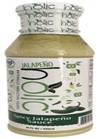
Spicy Jalapeno Sauce & Dip
Source: Mintel, 2023
| Company |
Holic |
|---|---|
| Brand |
Holic |
| Category |
Sauces and seasonings |
| Sub-category |
Seasonings |
| Market |
United States |
| Store type |
Supermarket |
| Date published |
August 2021 |
| Launch type |
New product |
| Price in local currency |
$4.99 |
Holic Spicy Jalapeno Sauce & Dip is now available. This certified vegan product is said to be a naturally addictive food, which can be used with everything, from a party chip, veggie dip, eggs, pizza, tacos or simply as a sandwich spread, and retails in a 10 fluid ounce pack. The manufacturer claims to use only fresh jalapenos, so the heat profile may vary from batch to batch.
Spicy Sicilian Herbs & Balsamic Vinaigrette Dressing

Source: Mintel, 2023
| Company |
United Olive Oil Import |
|---|---|
| Brand |
Il Rustico di Casa Asaro |
| Category |
Sauces and seasonings |
| Sub-category |
Dressings and vinegar |
| Market |
United States |
| Location of manufacture |
Italy |
| Import status |
Imported product |
| Store type |
Supermarket |
| Date published |
September 2020 |
| Launch type |
New product |
| Price in local currency |
$3.98 |
Il Rustico di Casa Asaro Spicy Sicilian Herbs & Balsamic Vinaigrette Dressing is now available. This product is made with 100% extra virgin olive oil, and is free from GMO, gluten, artificial preservatives, and high fructose corn syrup. It is suitable for vegans, and retails in a 15.3 fluid ounce pack.
Bavarian Artisanal Sauerkraut

Source: Mintel, 2023
| Company |
Aldi |
|---|---|
| Brand |
Specially Selected |
| Category |
Sauces and seasonings |
| Sub-category |
Pickled condiments |
| Market |
United States |
| Store type |
Supermarket |
| Date published |
November 2019 |
| Launch type |
New variety / range extension |
| Price in local currency |
$3.29 |
Specially Selected Bavarian Artisanal Sauerkraut is gluten free and ready to eat. This kosher certified product contains no artificial flavours and retails in a 16 ounce resealable pack.
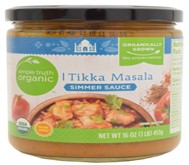
Tikka Masala Simmer Sauce
Source: Mintel, 2023
| Company |
Kroger |
|---|---|
| Brand |
Simple Truth Organic |
| Category |
Sauces and seasonings |
| Sub-category |
Cooking sauces |
| Market |
United States |
| Store type |
Supermarket |
| Date published |
September 2017 |
| Launch type |
New variety / range extension |
| Price in local currency |
$2.99 |
Simple Truth Organic Tikka Masala Simmer Sauce is organically grown. The United States Department of Agriculture (USDA) organic certified product can be simply added to protein and vegetables for an exotic meal and is free from preservatives or GMOs. It retails in a 16 ounce pack.
Opportunities for Canada
The United States (US) is poised to remain the largest global consumer market over the forecast period (2040), due to its substantial population, significant representation and concentration of affluent consumers and positive economic outlook.
The US was the largest global retail sale market for sauces, dips and condiments with values of US$31.5 billion (19.9% market share) in 2022. The US was also the largest global import market for sauces and condiments with values of US$2.2 billion, (13.5% market share) in 2022, representing one of the largest increases in CAGR (13.1%) from US$1.2 billion in 2017. Of these imports, Canada was the largest global supplier of sauces and condiments to the US market providing US$511.9 million (23.4% market share), 160.9 million kilograms in 2022. Top sauce and condiment imports from Canada included prepared sauces (HS code: 210390) valued at US$430.2 million (84.1% market share), 121.8 million kilograms and tomato ketchup and sauces (HS code: 210320) with values of US$55.4 million (10.8% market share), 30.6 million kilograms.
Given the expected and continued growth in the US sauces, dips and condiment sector, and the close proximity for trade, Canadian producers and suppliers have an increased opportunity to maintain and expand their exports of agri-food and value-added products to the US market. That being said, it is important for interested Canadian suppliers to work closely with Trade Commissioners to help find qualified importing partners to ensure the US import requirements for their specific products, are met.
Benefits of the Canada-United States-Mexico Agreement (CUSMA)
Canada currently enjoys preferential access to the United States market due to the Canada United States Mexico Agreement. The Canada-United States-Mexico Agreement (CUSMA) came into force on July 1, 2020 (replacing the North American Free Trade Agreement - NAFTA), and provides Canadian exporters continued tariff-free market access (with few exceptions), with updates and new chapters to address modern day trade considerations and opportunities (CUSMA outcomes).
Canadian exporters may consult the Canada Tariff Finder to obtain tariff information for specific products and countries where Canada has a Free Trade Agreement.
For more information
The Canadian Trade Commissioner Service:
International Trade Commissioners can provide Canadian industry with on-the-ground expertise regarding market potential, current conditions and local business contacts, and are an excellent point of contact for export advice.
More agri-food market intelligence:
Agri-food market intelligence service
Canadian agri-food and seafood businesses can take advantage of a customized service of reports and analysis, and join our email subscription service to have the latest reports delivered directly to their inbox.
More on Canada's agriculture and agri-food sectors:
Canada's agriculture sectors
Information on the agriculture industry by sector. Data on international markets. Initiatives to support awareness of the industry in Canada. How the department engages with the industry.
For additional information on the Private Label Manufacturers Association's annual trade show, please contact:
Chris Bigall
Trade Commissioner
chris.bigall@international.gc.ca
Resources
-
Euromonitor International:
- Consumer Lifestyles in the USA, May 2023
- Country Report; Sauces, Dips and Condiments in the U.S., December 2022
- Country Report; Economy, Finance and Trade: The U.S., May 16, 2023
- Country Report; Income and Expenditure: The U.S., June 12, 2023
- Country Report; Households: The U.S., June 14, 2023
- Voice of the Consumer: Lifestyles Survey; Consumer Values and Behaviour in the USA, May 2023
- The U.S: Consumer Profile, June 2023
- Global Trade Tracker, 2023
- Mintel Global New Products Database, 2023
Sector Trend Analysis – Sauces, dips and condiment trends in the United States
Global Analysis Report
Prepared by: Laurie Bernardi, International Market Research Analyst, Market Analyst
© His Majesty the King in Right of Canada, represented by the Minister of Agriculture and Agri-Food (2024).
Photo credits
All photographs reproduced in this publication are used by permission of the rights holders.
All images, unless otherwise noted, are copyright His Majesty the King in Right of Canada.
To join our distribution list or to suggest additional report topics or markets, please contact:
Agriculture and Agri-Food Canada, Global Analysis
1341 Baseline Rd, Tower 5, 3rd floor
Ottawa ON K1A 0C5
Canada
Email: aafc.mas-sam.aac@agr.gc.ca
The Government of Canada has prepared this report based on primary and secondary sources of information. Although every effort has been made to ensure that the information is accurate, Agriculture and Agri-Food Canada (AAFC) assumes no liability for any actions taken based on the information contained herein.
Reproduction or redistribution of this document, in whole or in part, must include acknowledgement of agriculture and agri-food Canada as the owner of the copyright in the document, through a reference citing AAFC, the title of the document and the year. Where the reproduction or redistribution includes data from this document, it must also include an acknowledgement of the specific data source(s), as noted in this document.
Agriculture and Agri-Food Canada provides this document and other report services to agriculture and food industry clients free of charge.